India's furniture manufacturing industry is at a turning point. Rising raw material costs, tighter delivery timelines, and growing competition from organized players have pushed manufacturers to rethink how they produce Industrial Woodworking output. The factories that will lead the next decade aren't the ones with the most workers — they're the ones with the smartest machines.
At SENBSEN, we work with furniture manufacturers across Bengaluru, Delhi, Kerala, and Gujarat every day, and we're seeing the same shift everywhere: manual, labour-heavy processes are giving way to precision-engineered machinery like the Edge Banding Machine, CNC Woodworking Machine, Panel Saw Machine, and Drilling Machine — the backbone of any modern, semi-automated or fully automated production line. Here's what that future looks like — and how the right machinery can get your factory there.
1. Precision Is No Longer Optional
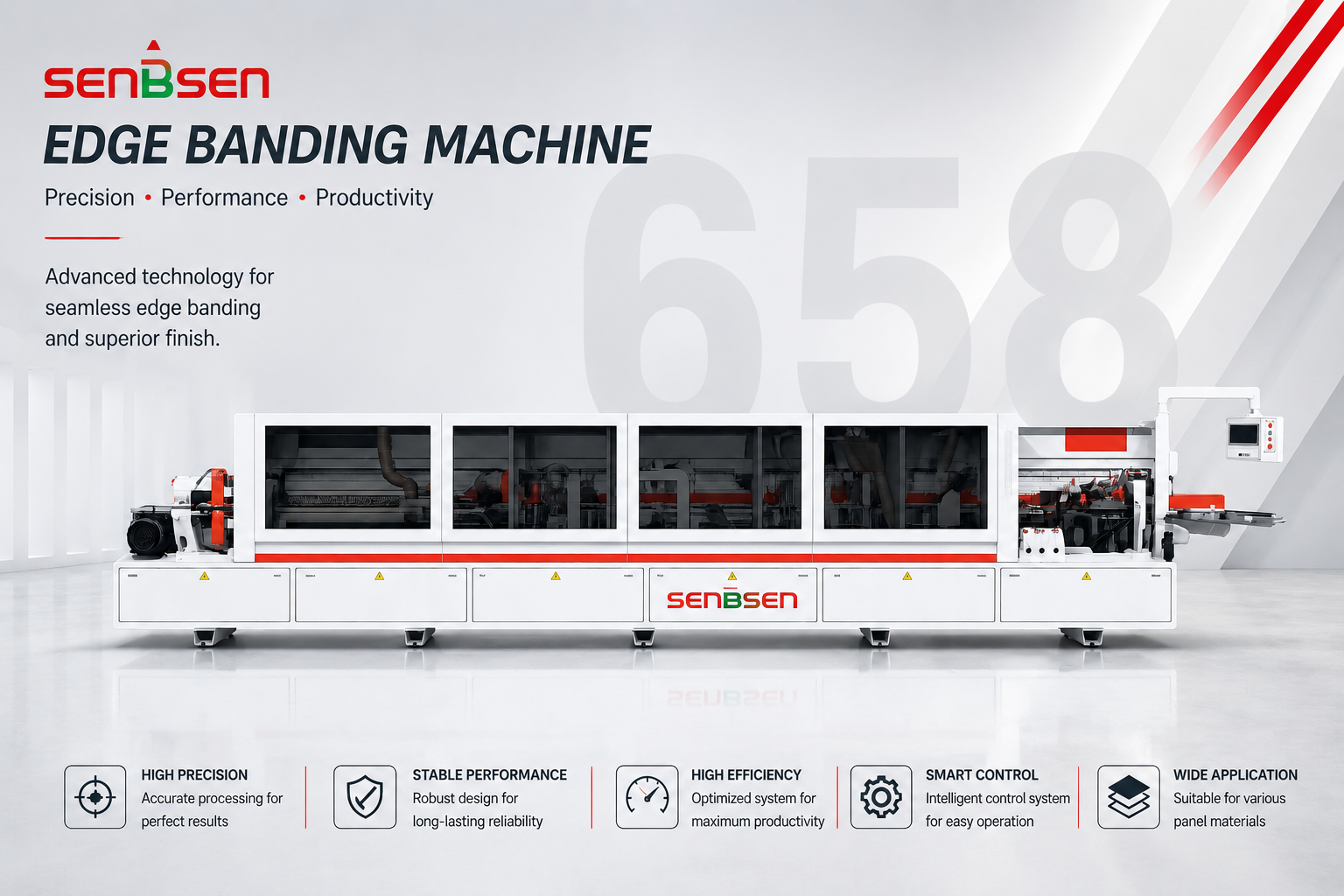
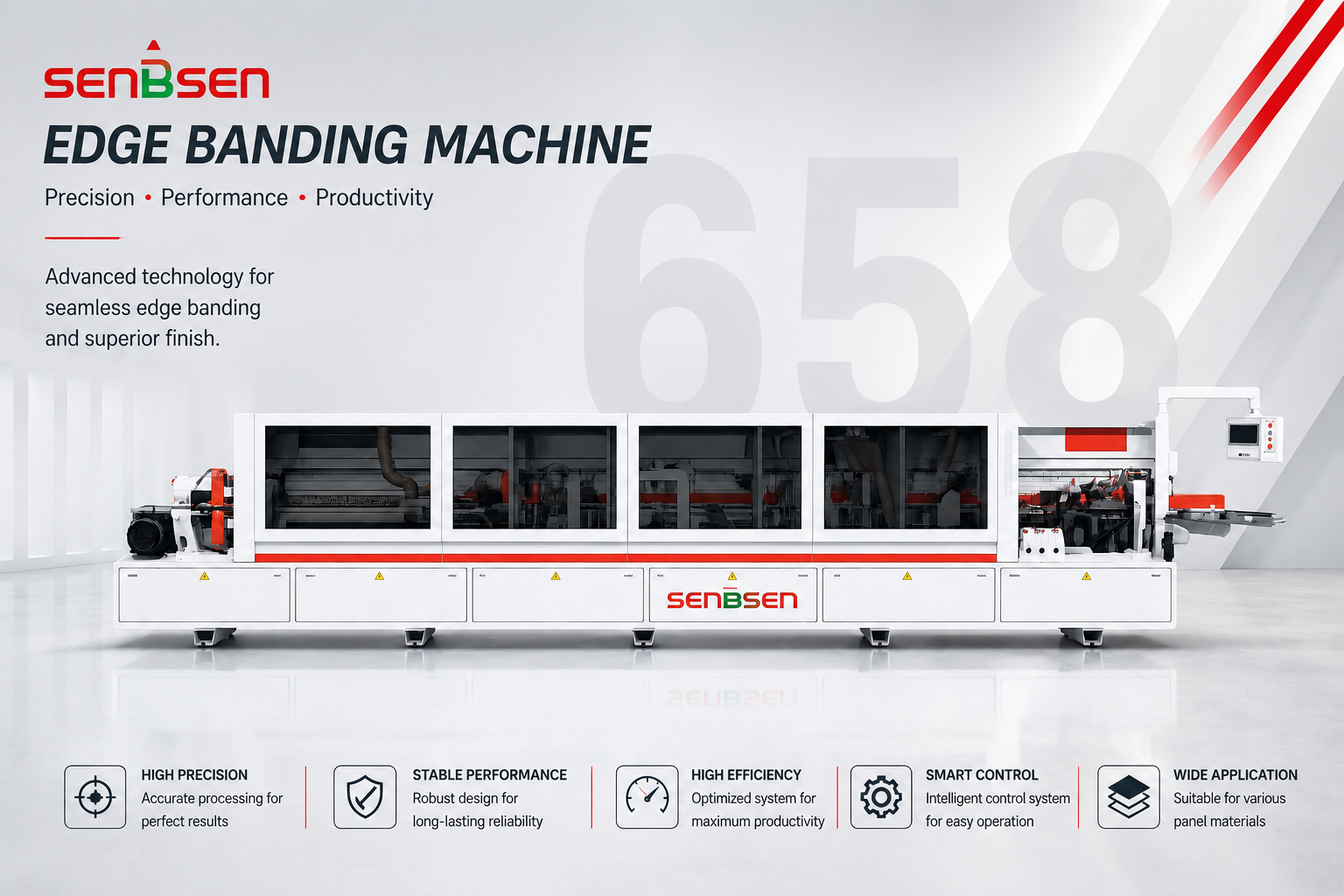
A decade ago, a slightly uneven edge or a millimeter of misalignment was something manufacturers lived with. Today's customers — and today's modular, high-gloss, and laminate finishes — don't forgive that kind of inconsistency. The modern Edge Banding Machine, for instance, has evolved from a simple gluing unit into a multi-function system that trims, buffs, and polishes in a single pass, giving factories furniture-grade finishes at production speed.
2. Automation Is Closing the Skilled-Labour Gap
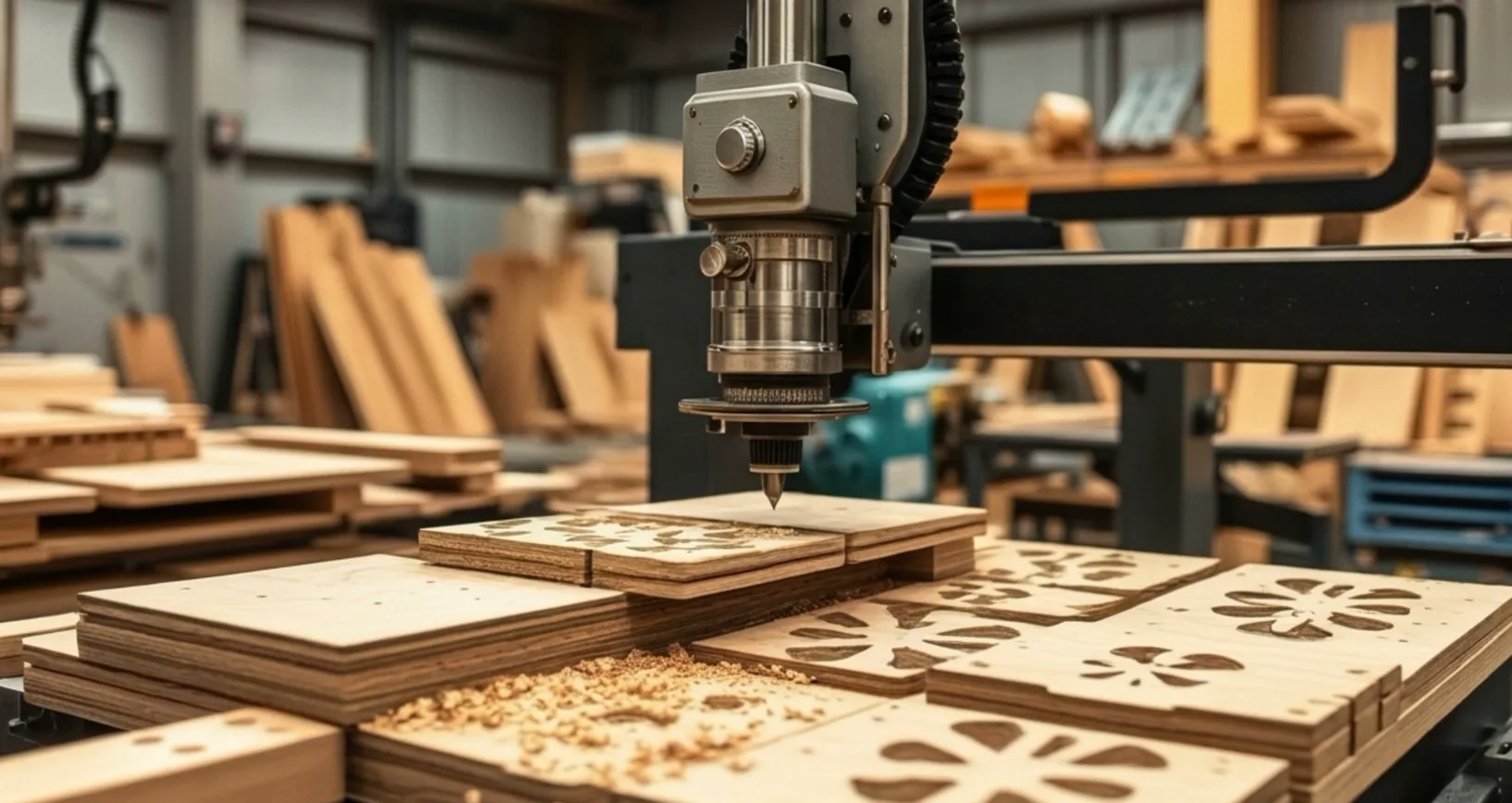
Finding and retaining skilled carpenters and machine operators is one of the biggest challenges Indian furniture manufacturers face. A CNC Woodworking Machine and intelligent production lines are directly addressing this — a single operator can now manage cutting, drilling, and panel processing that once required a full team. This isn't about replacing your workforce; it's about freeing skilled hands for higher-value work while machines handle repetitive, precision-critical tasks.
3. Speed and Consistency Win Orders
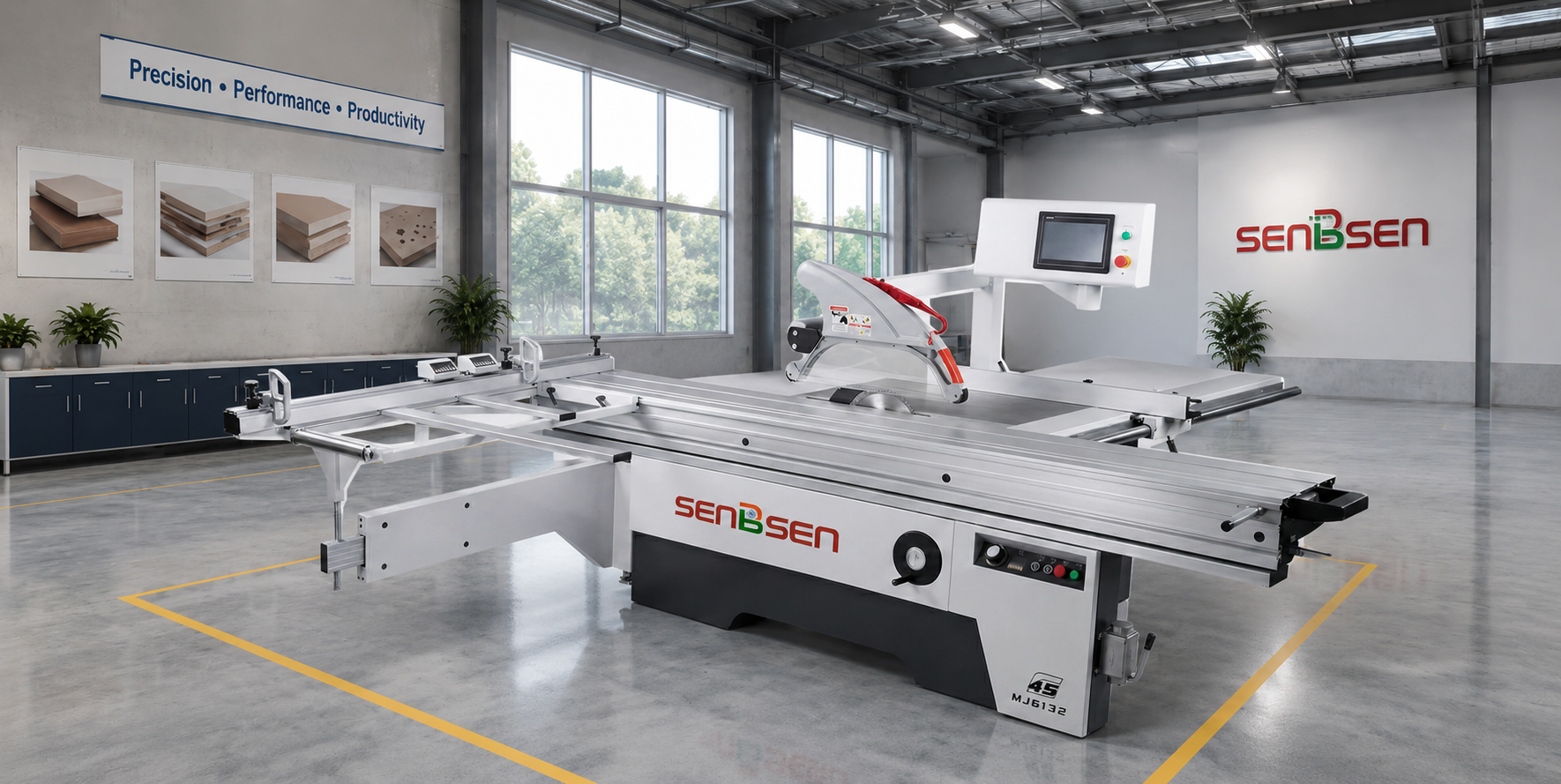
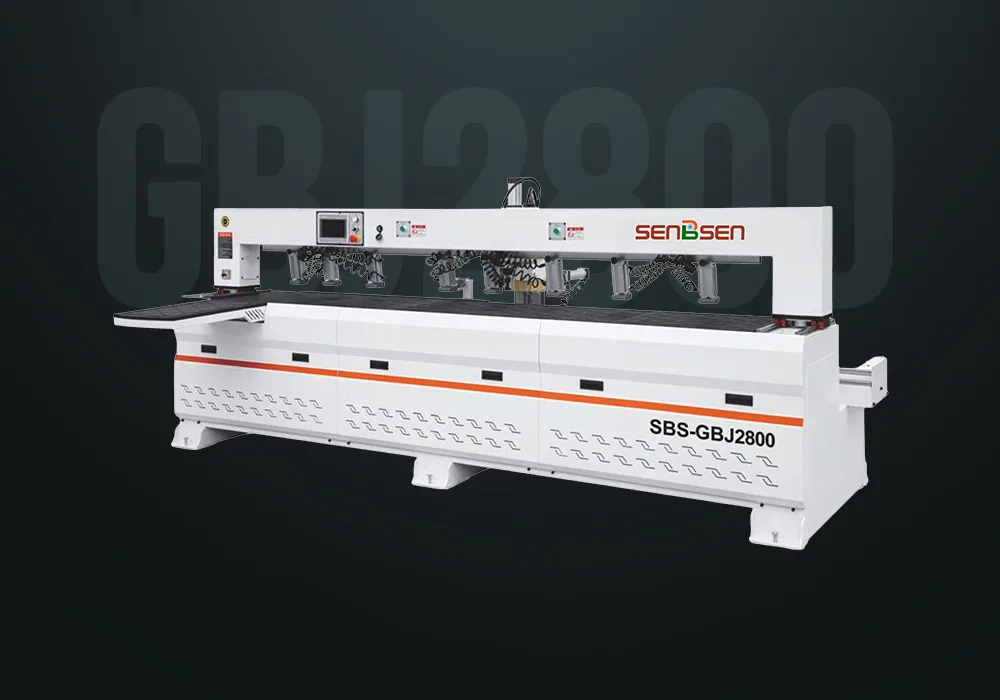
Furniture buyers — whether it's a modular kitchen brand or a large interior contractor — are placing bigger orders with shorter deadlines. A Panel Saw Machine, a Drilling Machine, and cold press equipment built for continuous operation let manufacturers scale output without scaling error rates. Consistency across a 500-piece order matters just as much as the finish on a single showpiece.
4. The Right Machine Partner Changes Everything
Advanced machinery is only half the equation. The other half is reliable sourcing, after-sales support, and machines engineered for real factory conditions — not just showroom demonstrations. This is where many manufacturers get burned by cheap, unsupported imports. A good machine with no service backup is a liability waiting to happen on your shop floor.
That's the gap SENBSEN was built to close. We import and distribute a full range of Industrial Woodworking machinery — the Edge Banding Machine, CNC Woodworking Machine, Panel Saw Machine, Drilling Machine, cold press machines, and complete intelligent production lines — backed by local support, spares availability, and a team that understands Indian factory conditions, not just machine specifications.
5. What's Next
Expect the next few years to bring smarter automation (machines that flag their own maintenance needs), tighter integration between design software and CNC output, and a growing expectation that machinery suppliers act as long-term technical partners, not one-time vendors. Manufacturers who invest in this shift early will have a real cost and speed advantage over those who wait.
Conclusion
The future of Industrial Woodworking in India isn't about choosing between craftsmanship and machinery — it's about using the right machines, from the Edge Banding Machine to the CNC Woodworking Machine, to make good craftsmanship scalable, consistent, and profitable. Whether you're setting up your first CNC line or upgrading an ageing Panel Saw Machine or Drilling Machine, the equipment you choose today will define your production capacity for years to come. At SENBSEN, we're committed to helping Indian manufacturers make that choice with confidence — with the right technology, honest guidance, and support that doesn't disappear after the invoice is paid.
Frequently Asked Questions
1. What is the difference between an Edge Banding Machine and a CNC Woodworking Machine?
An Edge Banding Machine applies and finishes edging material (like PVC or laminate) onto the cut edges of a panel for a clean, sealed look. A CNC Woodworking Machine, on the other hand, cuts and shapes panels from raw sheet material based on a digital design — it's typically used earlier in the production process, before edge banding happens.
2. Is it worth investing in a CNC Woodworking Machine for a small or mid-sized furniture factory?
Yes, in most cases. While the upfront cost is higher than manual cutting, a CNC Woodworking Machine reduces material wastage, cuts labour dependency, and dramatically speeds up production — often paying for itself within the first couple of years for factories doing regular batch or modular furniture work.
3. How do I know which Panel Saw Machine or Edge Banding Machine is right for my factory?
It depends on your daily production volume, the panel materials you work with most (MDF, plywood, particle board, etc.), and your factory's available floor space and power supply. A good machinery partner will assess your actual production needs rather than simply selling you the most expensive model.
4. What kind of after-sales support should I expect when buying imported Industrial Woodworking machinery?
At minimum, you should expect installation support, operator training, easy access to spare parts, and a responsive service team for troubleshooting. Imported machines without local support can lead to long downtimes if something goes wrong — this is one of the most important factors to check before buying.
5. Can older manual production setups be upgraded gradually, or does automation require a complete overhaul?
Automation can absolutely be introduced gradually. Many factories start by adding one or two key machines — like a CNC Woodworking Machine or an automatic Edge Banding Machine — around their existing manual processes, then expand into a fuller intelligent production line as volumes grow and the ROI becomes clear.